
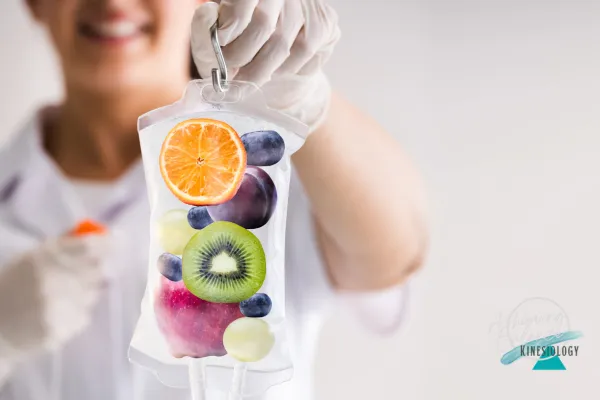
Preparing Your Body Naturally for Surgery, Medical Treatment, or Major Intervention
When facing a major medical procedure — whether it’s surgery, chemotherapy, or another intensive treatment — preparation matters. Just as an athlete trains before a big event, your body, mind, and spirit benefit from support in the lead-up to medical intervention. The goal is to build resilience, reduce stress, and create the best possible environment for healing.
It’s important to note that this is not the time for deep detoxing or putting your body and mind under additional stress. Instead, focus on gentle nourishment and strengthening.
Below are some holistic supports that can help prepare your system before treatment. Always check in with your medical team before starting anything new, as timing and interactions matter — and ensure that everyone involved in your care is aware of the herbs, supplements, and support you are using.
Herbs and Botanicals
Turmeric (Curcumin) – Potent anti-inflammatory and antioxidant, supporting tissue repair and reducing cellular stress.
Astragalus – Traditionally used in Chinese Medicine for building qi (vital energy), enhancing immunity, and recovery.
Milk Thistle – Protects and strengthens the liver, aiding in detoxification during the processing of medication or anesthesia.
Ginger – Eases nausea, supports circulation, and reduces inflammation.
Chamomile – Gentle calming herb for nervous system balance and pre-surgery anxiety.
Important note: Some herbs (like turmeric, garlic, ginkgo, and ginseng) can thin the blood, which may interfere with surgery. Herbal preparations in supplement or tincture form should usually be stopped 1–2 weeks before your procedure, while whole-food versions can often be tapered. Always check in with your practitioner if unsure — the aim here is to enhance healing, not prolong recovery.
Supplements for Strength & Recovery
Liposomal Vitamin C – Essential for wound healing, collagen production, and immunity.
Zinc – Supports tissue repair and infection resistance.
Magnesium External Spray – Calms the nervous system, supports sleep, and reduces muscle tension.
Probiotics – Help balance gut health before and after antibiotics. However, don’t focus too heavily on supplementation until after all medications have stopped. In the meantime, prioritise building a healthy microbiome through your environment, relationships, and connection with supportive people. Otherwise, probiotics can become costly without much benefit.
Omega-3 fatty acids – Reduce inflammation and support cellular recovery. It’s essential to choose a high-quality, well-sourced omega-3 supplement that has been tested for heavy metals and toxins.
B-complex vitamins – Nourish the nervous system and support energy metabolism. Best taken as a complete B-family rather than isolated single B vitamins. Be mindful that foods or drinks containing synthetic B vitamins (such as Berocca or Vegemite) can actually disrupt absorption.
Bone Broth & Gelatine for Repair
Bone Broth – Rich in collagen, amino acids (glycine, proline, glutamine), and minerals that strengthen connective tissue, gut lining, and immunity. Sipping broth daily in the weeks leading up to surgery gives your body a head start on wound healing and tissue repair. Making your own is always wonderful, but I 100% recommend also using dehydrated bone broth as a simple way to add nourishment to almost everything before and after treatment. My go-to is Broth of Life for its purity and ease.
Gelatine – A concentrated form of collagen proteins that supports skin, ligaments, fascia, and gut health. Adding gelatine powder into smoothies, soups, or even herbal teas is an easy way to boost pre-surgery nutrition.
Adaptogenic Mushrooms for Resilience
Adaptogens are herbs and fungi that help your body adapt to stress — physical, emotional, and environmental. In the lead-up to surgery, primary medical intervention, or chemotherapy, they can help balance the immune system and calm the stress response.
I always recommend choosing high-quality, organic extracts, and Teelixir is one of my trusted sources. Below, I’ve highlighted each mushroom separately. Still, suppose you prefer a simple all-in-one option. In that case, the Teelixir Mushroom Immunity Blend combines Reishi, Lion’s Mane, Cordyceps, and Chaga — my go-to if you’d rather not juggle multiple supplements on your healing journey.
Reishi – Nourishes the immune system, supports restful sleep, and promotes a sense of calmness.
→ My pick: Teelixir Organic Reishi Mushroom – available in both powder and capsule form, perfect for daily use.Cordyceps – Boosts oxygen uptake, stamina, and recovery capacity.
→ My pick: Teelixir Organic Cordyceps Mushroom – ideal for supporting energy before and after treatment.Lion’s Mane – Supports nerve regeneration and brain clarity, particularly useful with anaesthetic or chemo-related brain fog.
→ My pick: Teelixir Organic Lion’s Mane Mushroom – I love this for cognitive support and clarity.Chaga – Rich in antioxidants, helping reduce inflammation and oxidative stress.
→ My pick: Teelixir Organic Chaga Mushroom – a grounding daily tonic.
These can be taken as teas, powders, or capsules. Always check timing with your medical team, as some mushrooms are very immune-activating and may need to be paused around specific treatments.
Nutritional Preparation
Prioritise whole, colourful foods – Fill your plate with fruits, vegetables, quality proteins, and healthy fats to give your body the building blocks it needs for repair.
Increase hydration – Opt for filtered water, herbal teas, and mineral-rich broths to nourish your cells and support your system.
Green powders – A high-quality greens powder can provide concentrated phytonutrients, trace minerals, and chlorophyll to support gentle detoxification and overall vitality. (Easy option here is Daily Greens + Reds Nutra Organics from Wollies)
Protein powders – Clean, additive-free protein powders (such as pea, hemp, or collagen blends) can be an easy way to meet increased protein needs for healing and recovery, especially if appetite is low.
Gentle liver support – If approved by your care team, foods like beets, leafy greens, dandelion tea, and lemon water can provide the liver with a helping hand in the weeks leading up to treatment.
What to Avoid Before Surgery or Treatment
Certain foods, herbs, and habits can interfere with surgery, anaesthesia, or recovery. Here are some common things to be mindful of:
Herbs & Supplements
Blood-thinning herbs (garlic, ginkgo, ginseng, turmeric, feverfew, willow bark) – may increase bleeding risk.
High-dose vitamin E can also thin the blood.
St. John’s Wort – may interact with anesthesia and certain medications.
Kava or Valerian – may interact with sedatives and prolong recovery.
Foods & Drinks
Alcohol – Stresses the liver, thins the blood, and interferes with medications.
Excessive Caffeine can dehydrate the body and overstimulate the nervous system. Swap this for a Mushroom blend (Teelixir)
Highly Processed Foods – They create extra inflammation and slow down the healing process.
Sugar – Weakens the immune system, feeds inflammation, and reduces the body’s ability to repair efficiently. Swap for some homemade date/protein balls full of all the good stuff, plus a little added extra supplements.
Lifestyle Habits
Over-exercising can stress the body instead of building reserves.
Last-minute detoxing – avoid extreme cleanses or fasting right before treatment, as they can weaken your system.
General rule: Most doctors recommend stopping herbal supplements 1–2 weeks before surgery unless advised otherwise. Always confirm the safest timing with your practitioner.
Homeopathic Support
Homeopathy provides a gentle approach to supporting the body’s natural healing processes before and after medical procedures. Remedies are highly individual, but here are some of the most common supports often considered:
Arnica montana – The number one remedy for surgery and trauma. Helps reduce bruising, swelling, shock, and pain.
Hypericum perforatum – Excellent for nerve-rich areas; supports recovery when nerves have been cut, stretched, or irritated.
Staphysagria – Especially supportive for clean cuts or surgical incisions, helping with healing and emotional release of feeling “invaded.”
Phosphorus – Can ease anxiety before surgery, support the body’s response to anaesthetics, and reduce post-op nausea.
Nux vomica – Useful for detoxifying from medications, especially when digestion feels sluggish or irritated after treatment.
Calendula – Promotes wound healing and reduces the risk of infection; often used as a cream or in potency for incision recovery.
Carbo vegetabilis – Supports vitality if energy feels depleted, particularly after anaesthesia or during chemo-related exhaustion.
Emotional & Energetic Support
Flower Essences – Rescue Remedy or custom blends can ease fear and emotional stress.
Meditation & Breathwork – Help regulate your nervous system, preparing your body for calmer, more effective healing.
Kinesiology & Acupressure – Support energy flow, reduce anxiety, and balance meridians for surgical resilience.
Journaling & Affirmations – Create a mindset of trust and readiness: “My body knows how to heal. I am safe. I am supported.”
Lifestyle and Rest
Prioritise quality sleep – The body repairs itself most deeply at night. Think early nights, a cooler sleeping environment, mouth-tapping, and blue-light blockers. Don’t underestimate the importance of good sleep hygiene; it’s one of the most potent tools for pre- and post-surgical recovery.
Gentle movement – Walking, stretching, or yoga helps maintain strong circulation without exhausting the body. Focus on movement that feels supportive rather than draining.
Lymphatic support – Options such as legs up the wall, dry brushing, light massage, or gentle rebounding can help encourage detox pathways. However, I only recommend lymphatic activation before and after recovery. Detoxing too fast can place extra stress on the body, which is the last thing you want. For those undergoing chemotherapy, or living with autoimmune or lymphatic conditions, it’s often best to avoid stimulating the lymph altogether — instead, focus on whole foods and energetic supports over physical movement first.
Important Reminder:
Preparing for surgery or medical treatment isn’t just about the procedure itself — it’s about giving your body the best chance to heal, recover, and thrive afterwards. Think of this preparation as laying fertile soil for healing to take root.
Every person is unique, so tailor your approach to your constitution, diagnosis, and medical advice. Use the weeks leading up to treatment as a sacred time to nourish, strengthen, and align your body, mind, and spirit.
Please note that this is a comprehensive list of supports, and not everything will be suitable for everyone. Prioritise the one or two practices that feel most aligned and achievable for you, and return to add more when the timing feels right. Healing is best built step by step, with gentleness.