
Kinesiology, Human Design & Wellbeing Articles
Explore. Learn. Come Back to Yourself
Below is for you to explore Kinesiology, Human Design and seasonal living in
a way that feels grounded, practical and personal.
Read a little. Watch a little. Follow what sparks your curiosity.
Lean into me and what I have to offer; let your feeling be your guide.
And when you’re ready to go deeper, step inside the online community and
continue exploring your chart, your body and your own inner wisdom.

Common Places Heavy Metals Are Hiding
Common Places Heavy Metals Are Hiding in Your Everyday Life
When we think of heavy metal exposure, we often picture old factories or mining towns. However, the truth is that these contaminants are hiding in the products we use, the food we eat, and even the air we breathe—right here in Sydney.
Over time, small daily exposures to metals like lead, mercury, arsenic, cadmium, and aluminium can quietly build up in your body and contribute to fatigue, hormonal imbalances, brain fog, and chronic inflammation. Below are some of the most common sources of heavy metals in modern life—and why they matter:
Seafood and Large Fish
Larger fish such as tuna, swordfish, marlin, and flake (shark) accumulate significant amounts of mercury in their tissues. Regular consumption can increase your mercury burden, particularly for children and pregnant women.
Farmed fish fed low-quality pellets full of pesticides and synthetic additives can build up toxins in their flesh, much like wild fish living in polluted waters.
Seaweed is also worth mentioning. While it’s fantastic for supporting detoxification—especially binding radioactive particles—it will absorb and concentrate whatever is in the water it grows in. Sourcing clean seaweed from unpolluted regions is essential.
Baby Formula
Even reputable infant formulas have been found to contain trace levels of arsenic, lead, cadmium, and mercury. These contaminants often come from the raw ingredients (rice and soy) and the machinery used during processing.
Pink Rock Salt
Mined in Pakistan’s Khewra Salt Mine, pink rock salt is minimally processed. While it retains a spectrum of trace minerals, it also contains naturally occurring lead, arsenic, cadmium, and aluminium that aren’t removed before packaging.
Makeup (Especially Mascara)
Black and dark mascaras frequently rely on iron oxide pigments, which can be contaminated with lead and arsenic. Metallic eyeliners and brightly coloured lipsticks are other common culprits.
Contaminated Soils
Urban soils can hold decades of residues from lead-based paints, old rubbish tips, industrial runoff, and traffic pollution. Children playing in bare dirt or eating home-grown vegetables can be exposed to harmful substances.
Old Pipes and Plumbing
Homes built before the 1980s often have lead solder or pipes that leach metals into drinking water. However, in many areas, old-school buildings and commercial premises are even more of a concern, as their plumbing is less likely to have been upgraded.
Herbal Supplements and Traditional Remedies
Some imported herbal formulas are contaminated with heavy metals due to polluted soils or poor manufacturing controls.
It’s important to remember that not all herbs are created equal. Plants draw their potency (and their contaminants) from their environment.
For example:
Mushrooms thrive in damp, decomposing environments and can absorb toxins.
Sunflowers are known to absorb arsenic and other heavy metals from the soil.
The way herbs are grown, harvested, and prepared has a significant impact on their benefits and risks. This is why I am very particular about the brands, suppliers, and practitioners I trust.
Tinned Foods and Aluminium Cookware
Metal cans—especially those used for acidic foods—can leach cadmium, lead, and aluminium into food. Cheap cookware and foil also contribute to cumulative exposure.
All things are not created equal, and the location of processing affects contamination levels.
It’s also worth noting that heating elements inside electric kettles and urns can leach cadmium into water, especially over time.
Air Pollution and Vehicle Emissions
Urban air is filled with fine particulates containing heavy metals, ranging from brake dust to industrial emissions.
Living next to busy roads is a significant contributor, but so is housing near areas where trucks use compression brakes on the freeway. Flight paths over residential areas are also becoming a concern as air traffic increases.
Cigarette Smoke and E-Cigarettes
Tobacco smoke contains cadmium, lead, arsenic, and other metals that accumulate in your tissues.
Cheap e-cigarettes and vaping liquids are another emerging source of cadmium and heavy metals, often from poorly manufactured heating coils and contaminated flavourings.
Perfumes and Fragrances
Many perfumes and body sprays contain metals introduced via colourants, contaminated plant extracts, or leaching from packaging over time.
A Note on Added Minerals in Foods
As a general rule, I avoid eating any foods with added minerals, such as fortified cereals, beverages, or processed supplements. This is because the synthetic forms of minerals are often poorly absorbed, can create imbalances in the body, and—depending on how they’re manufactured—may carry a higher risk of contamination with heavy metals.
Remember:
Your body is designed to detoxify small amounts of these substances, but over time, chronic low-level exposure adds up.
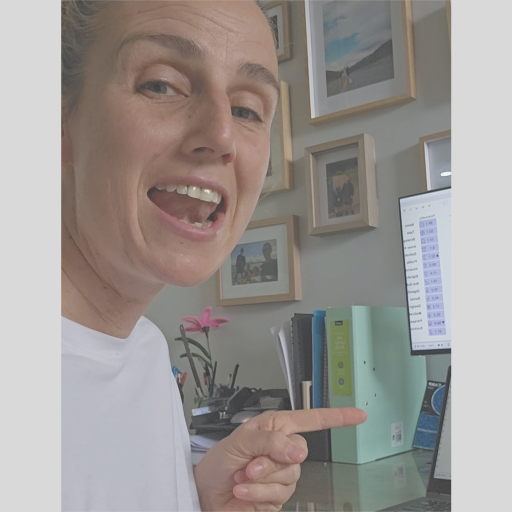
Grab a cuppa, pull up your chart and explore with me.
These free videos are a simple place to start — helping you understand the basics of Human Design and begin making sense of what you see in your own chart.
Human Design for Complete Beginners
Start here if your chart currently looks like another language.
Understanding Your Type
Discover how your energy naturally moves, interacts and connects with the world around you.
How to Start Reading Your Chart
Learn where to look first and how to begin putting the pieces together.
These videos are just a taste of the deeper teachings, conversations and exploration waiting for you inside the online community.
A Taste of Seasonal Living
Our bodies were never designed to move at the same pace all year-round.
Each season carries its own energy, rhythm and invitation — asking us to shift how we rest, move, nourish, create and connect.
Explore a short seasonal teaching and discover what can change when you begin working with nature, rather than constantly pushing against it.
A small taste of the deeper seasonal journey waiting for you inside the community.
From Winter to Spring
Tap into the seasons, the Five Elements and reconnect with your natural cycles.
As the seasons shift, so do our emotions, intentions and energy.
Winter invites us inward. Spring calls us forward.
JOIN THE COMMUNITY
ACCESS SUPPORT IN BETWEEN SESSIONS
Deepen your healing journey
Connect with a like-minded community
The support between sessions is where the real magic happens
Our new community is open! Join now for access to resources, downloads, videos and live events, and direct support from me as you integrate Kinesiology and Human Design into daily life.

0410155638
29b Vera Dr Coffs Harbour


View our Privacy Policy and Terms and Conditions here.
© 2026. All Rights Reserved.