
Kinesiology, Human Design & Wellbeing Articles
Explore. Learn. Come Back to Yourself
Below is for you to explore Kinesiology, Human Design and seasonal living in
a way that feels grounded, practical and personal.
Read a little. Watch a little. Follow what sparks your curiosity.
Lean into me and what I have to offer; let your feeling be your guide.
And when you’re ready to go deeper, step inside the online community and
continue exploring your chart, your body and your own inner wisdom.
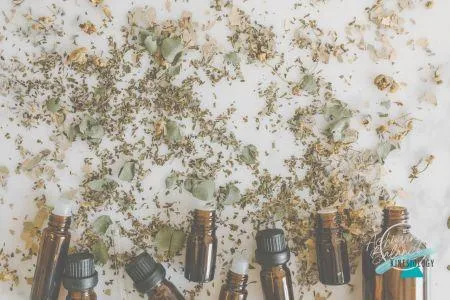
Natural Alternatives to Panadol
Supporting the Body’s Healing Pathways
When a headache strikes or muscles ache, reaching for Panadol (paracetamol) has become second nature for many of us. While it’s effective for temporary relief, overuse can place stress on the liver and interfere with the body’s natural pain-signalling and detoxification pathways.
The good news? There are natural, holistic alternatives that can ease discomfort, calm inflammation, and support long-term balance — without suppressing your body’s messages.
Would you believe I have one child who has never had Panadol, and the other hasn’t had it since he was four years old? Both of my children have had their share of fevers, colds, teething, and even stitches — yes, local anaesthetic for the procedure itself, but nothing more than Arnica for recovery. It’s always amazed me how capable the body is when we give it the space and support to heal naturally.
As a teacher and kinesiologist, it’s also surprised me how quickly students will reach for a painkiller from their backpack — often for everything from headaches to stress, period pain, or simply feeling tired. It’s become a cultural reflex rather than a conscious choice. But pain is never random; it’s a signal — a symptom of something deeper that’s asking to be seen and addressed. When we learn to listen rather than suppress, we open the door to genuine, lasting healing.
Homeopathic Remedies
Homeopathy is what I reach for first and what I give to my children. It provides gentle, yet energetic, support for the body’s natural healing response. Rather than suppressing symptoms, these remedies work by stimulating the body’s own self-regulating capacity — helping you move through illness with greater ease, resilience, and, most importantly, less recurrence, as the body is allowed to complete its full expression and return to balance.
Fever
Belladonna: For sudden, high fevers with flushed face, glassy eyes, and throbbing heat. The person may be restless or oversensitive to light and noise.
Aconite is best suited for the first stage of fever or flu that develops suddenly after exposure to cold wind or shock. The person feels anxious and fearful, with dry heat and restlessness.
Pain and Muscle Aches
Arnica: The classic remedy for soreness, bruising, or body aches — especially after overexertion or injury. Think of it as your natural recovery tonic for muscles. This is my family's personal go-to.
Bryonia: For pain made worse by movement and better with rest. Often used for headaches, joint pain, or chest discomfort.
Rhus Toxicodendron: For stiffness that improves with gentle movement and warmth. Common after flu, long travel, or heavy exercise.
Flu-Like Pain
Eupatorium Perfoliatum: For deep bone aches, chills, and fever that feel as though “every bone is broken.” Often used in early influenza or viral infections.
Ferrum Phosphoricum: For the early stages of cold or flu — when there’s slight fever, tiredness, and sensitivity, before symptoms fully develop.
Magnesium – The Natural Muscle Relaxant
Magnesium helps the body release tension, ease muscle cramps, and support nerve function. Low levels are often linked to headaches, anxiety, and poor sleep. I don’t recommend taking magnesium supplements without the balance of calcium and vitamin D, as these minerals work synergistically to support muscle and nerve health. For sore muscles and physical tension, it’s best to start with external options such as magnesium bath salts or topical sprays, which are readily absorbed through the skin and gentle on the system.
Herbal Pain Relief
Nature offers a pharmacy of soothing options:
Turmeric (Curcumin): A potent anti-inflammatory that supports liver detoxification.
White Willow Bark: Known as nature’s aspirin — it contains salicin, a compound similar to the active ingredient in painkillers.
Ginger: Reduces inflammation and boosts circulation, helping ease menstrual or joint pain.
Tip: Combine turmeric and black pepper for improved absorption.
It’s important to remember that herbs are powerful medicines in their own right and may not always mix well with prescription treatments. Always consult your healthcare provider before adding herbal remedies to your routine — especially if you’re taking medication for pain, blood pressure, or heart conditions.
All of the herbs mentioned above can thin the blood when taken in high doses, so use them with care and in moderation. When used thoughtfully, they can be wonderful allies for supporting balance, easing discomfort, and reducing inflammation naturally.
Essential Oils for Headache and Tension

A few drops of peppermint or lavender essential oil, when properly diluted and massaged into the temples, neck (Bladder 10), or soles of the feet (Kidney 1), can help calm the nervous system and enhance circulation. The olfactory sense is deeply linked to the body’s survival reflexes and emotional responses, so combining scent with the intentional placement of oil along meridian points can create a powerful somatic release when applied correctly.

That said, lavender essential oil, while often considered gentle, must be used with great care around babies and young children. Essential oils are highly concentrated, and an infant’s skin and nervous system are far more sensitive than an adult’s. Avoid direct topical use on babies under three months old, and always dilute to approximately 0.25–0.5% (one drop of essential oil to four teaspoons of carrier oil) for older infants. Do not add essential oils directly to bathwater, and limit diffusion to short intervals in well-ventilated spaces. Lavender should also be avoided for premature babies or children with respiratory concerns such as asthma. Some research suggests that frequent topical use may influence hormonal balance in boys before puberty, so it’s best used occasionally and with proper dilution. Used mindfully, lavender remains a beautiful ally for relaxation, sleep, and gentle nervous-system support — but with babies, less is always more.
Hydration and Electrolyte Balance
Dehydration is one of the most common and overlooked causes of headaches. Start your day with a large glass of filtered water, a pinch of sea salt, and a few drops of fulvic minerals to restore cellular hydration and electrolyte balance. Coconut water is another excellent natural hydrator, rich in potassium and trace minerals that help maintain fluid balance and support overall nervous system function.
Accupress points

Gentle breathwork, combined with acupressure on the Liver 3 and Large Intestine 4 points, helps release physical and emotional tension while rebalancing the body’s electrical flow. These simple techniques guide the nervous system out of a “fight or flight” response and into a calm, restorative state — often reducing the body’s reliance on medication by activating its natural self-healing pathways.
Tapping away Pain.
Lightly tap on the point several times, keeping your focus on the breath. Once the breathing begins to slow and settle, guide the person to move their eyes through different positions while continuing to tap — for example, look up, look down, then make a large circle to the left. When the eyes begin to move smoothly, hum a short tune and count to five. This sequence helps integrate both hemispheres of the brain and calms the body’s stress response.
Triple Warmer 3: Located on the back of the hand, between the fourth and fifth fingers, just behind the knuckles. This point helps the body respond to stress or shock, regulate temperature, and restore balance between alertness and rest.
Karate Chop Point: Commonly used in Emotional Freedom Techniques (EFT), this point sits on the fleshy outer edge of the hand, between Small Intestine 3 and 4. It connects with the body’s protective and processing circuits, helping diffuse the emotional charge of pain or stress.
I often tapped these points on my children’s hands when they were younger — after falls at the park, moments of overwhelm, or even during feeding with my youngest when colicky or unsettled. This simple, nurturing practice helps the body release shock, ease discomfort, and return to balance with love and presence.
Address the Root Cause
Pain is your body’s way of communicating that something is out of balance. Rather than simply suppressing symptoms, kinesiology explores the deeper energetic, emotional, hormonal, or biochemical stress behind the discomfort. As part of uncovering the root cause, it’s important to also consider how your hormones are functioning and how your body copes in the absence of sugar, preservatives, and other stimulants. By releasing these blocks and supporting balance on all levels, the body’s natural self-healing intelligence can restore harmony and ease.
Grab a cuppa, pull up your chart and explore with me.
These free videos are a simple place to start — helping you understand the basics of Human Design and begin making sense of what you see in your own chart.
Human Design for Complete Beginners
Start here if your chart currently looks like another language.
Understanding Your Type
Discover how your energy naturally moves, interacts and connects with the world around you.
How to Start Reading Your Chart
Learn where to look first and how to begin putting the pieces together.
These videos are just a taste of the deeper teachings, conversations and exploration waiting for you inside the online community.
A Taste of Seasonal Living
Our bodies were never designed to move at the same pace all year-round.
Each season carries its own energy, rhythm and invitation — asking us to shift how we rest, move, nourish, create and connect.
Explore a short seasonal teaching and discover what can change when you begin working with nature, rather than constantly pushing against it.
A small taste of the deeper seasonal journey waiting for you inside the community.
From Winter to Spring
Tap into the seasons, the Five Elements and reconnect with your natural cycles.
As the seasons shift, so do our emotions, intentions and energy.
Winter invites us inward. Spring calls us forward.
JOIN THE COMMUNITY
ACCESS SUPPORT IN BETWEEN SESSIONS
Deepen your healing journey
Connect with a like-minded community
The support between sessions is where the real magic happens
Our new community is open! Join now for access to resources, downloads, videos and live events, and direct support from me as you integrate Kinesiology and Human Design into daily life.

0410155638
29b Vera Dr Coffs Harbour


View our Privacy Policy and Terms and Conditions here.
© 2026. All Rights Reserved.